The Approach

Adults cultivate the conditions. Children do the growing.

Human ROOTS starts with the adults and the ground they stand on. Here is how it works, and the research it stands on.

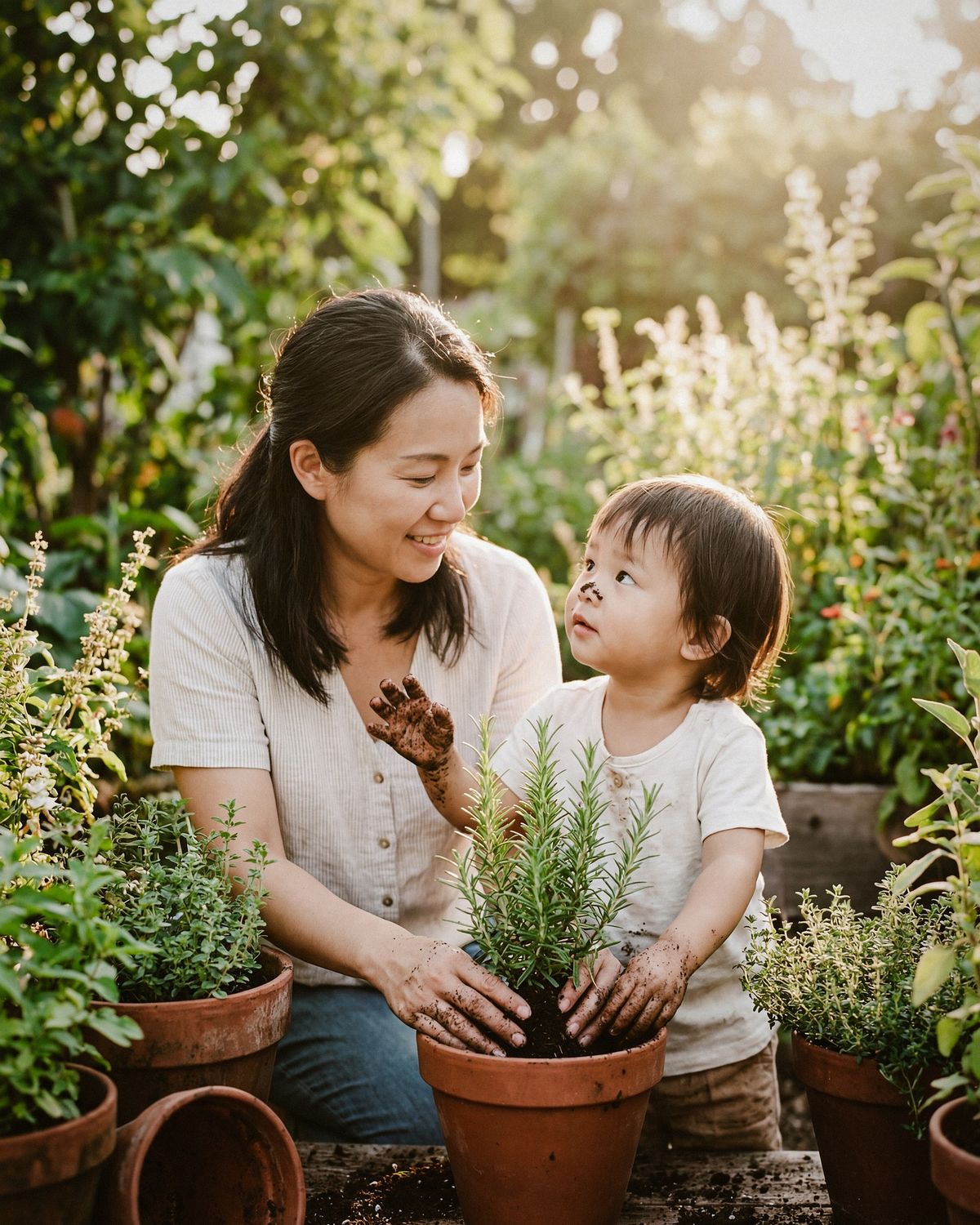
A mother and her toddler, both with soil on their hands, planting rosemary together in a sunlit garden.
Photo · images/sessions-garden.jpg
A mother and her toddler, both with soil on their hands, planting rosemary together in a sunlit garden.
1. Adults are the environment

The condition comes before the expectation.

A child grows the way a plant grows. Not by being told to, but because the conditions around it allow it. The garden is the environment. The soil is the condition. Adults create the garden and tend the soil.

So when a child struggles, the first question is not what is wrong with this child. It is what does this child's environment need. What is missing from the soil: the calm of the adult beside them, a rhythm they can predict, a skill nobody has planted yet, a sense of who they are. Those are things adults provide. A child cannot grow them alone.

In Human ROOTS, the soil is culture, identity, joy, and strengths. It is what a family already is before anyone adds anything. The roots that grow in it are relationships, connection, and belonging. From there come the branches: routines, skills, and responsibility. And then the fruit: curiosity, resilience, independence, learning. Fruit is what deep roots produce in a healthy garden. It is the evidence that a human is thriving, not the thing you go after first.

A longitudinal study following families from infancy to early school age found that parental responsiveness and child emotion regulation shape each other over time. Read the study. Sample: families tracked from infancy, not a lab task.
2. Culture is the soil parenting grows from

A value. And a research claim.

I believe it, and the research holds it up. A caregiver's own sense of cultural belonging predicts their child's belonging over time. Honoring heritage supports self-esteem, resilience, and school success. Even toddlers register cultural cues, and pride in where a family comes from is one of the most protective things a family can share.

And most families pass heritage down by accident. Whether parents actually talk with their children about culture and identity turns out to be far from automatic. Heritage carried forward by accident is heritage at risk.

Sources: caregiver and child belonging over time · heritage pride as a protective practice · cultural conversations at home, 2026

3. Family Signature, the mechanism

What carrying culture forward looks like when you do it on purpose.

A Family Signature is the set of repeated things that make your household recognisably yours. Culture does get carried forward, in every family, whether anyone means it to or not. A named Family Signature is what it looks like when a family means it.

It holds two kinds of repeated things. A ritual is a repeated thing that steadies the day. A tradition is a repeated thing that says who you are. Same action, different job. One sentence, said out loud, is what turns one into the other.

What families do together, and not only that they do something, is linked to young children's social-emotional development in national survey data. Children & Society.

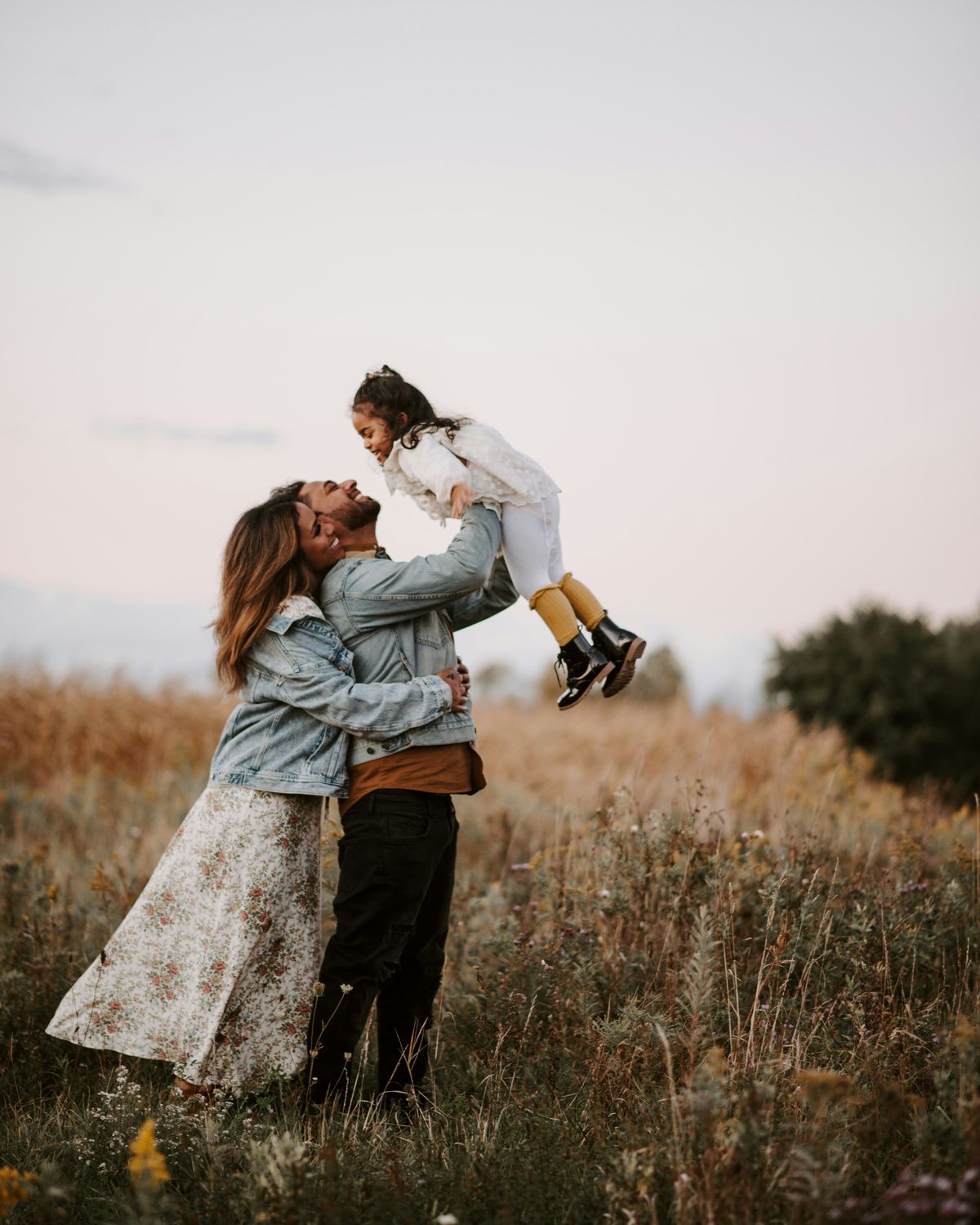
A father lifting his laughing daughter into the air in a golden field while her mother holds him.
Photo · images/extra-joy-lift.jpg
A father lifting his laughing daughter into the air in a golden field while her mother holds him.
4. The five practices

R. O. O. T. S.

R

Relationships that regulate

Tend before you teach. A child borrows your calm long before they have their own. In the hard moment, your steadiness is the ground they stand on, and the lesson can wait.

O

Organized routines and rituals

Predictable rhythms create safety and grow independence. A ritual is a repeated thing that steadies the day, with the meaning said out loud. Rituals grow out of your family's culture and real life, never out of a template.

O

Owning emotional skills

Skills get planted when a child is calm, not in the middle of being uprooted. Name the feeling. It is the root. The behavior is the leaf. When the hard moment comes, adults help children reach for what they already have.

T

Traditions, stories and identity

A tradition is a repeated thing that says who you are. Children need to know where they come from and that it counts. Identity is affirmed as strength.

S

Shared leadership and ownership

Adults guide rather than control. Children contribute, decide, and carry real responsibility for their own backpack, their own morning, their own way back after they are uprooted. Confidence grows from being trusted.

Joy runs through all five. Joy is not a reward. It is a root.

Among children aged 3 to 5 in the 2022 National Survey of Children's Health, flourishing is tied directly to social-emotional development, self-regulation, and early learning. Cogent Education.

5. Three words we use

Rooted, uprooted, ready.

Rooted

Any human, child or adult, with good soil and deep roots. Your values, your people, where you come from, and the joy that runs through them. Not a mood and not a personality. Rooted is the condition.

Uprooted

Any human, in the hard moment. Temporarily disconnected from their roots, unable to reach a skill they already have, or being asked for one nobody has taught them yet. Not misbehaving, not behind. The child at pickup, the parent at 7:42 am, the teacher at the end of a long day.

Ready

What grows in a human when the roots are deep. Never a checklist, never something a child is measured against. A rooted child is a ready child, and that order never reverses.

6. What this is not

No behavior charts. Nothing earned. No shame toward parents, ever.

Our guiding principles

The lines we say word for word.

Regulation before expectation.

Children cannot meet a standard their nervous system cannot reach yet. Adults tend the conditions first.

The environment is the intervention.

What does this child's environment need? Adults create the garden and tend the soil.

Tend before you teach.

Grounding comes first. The lesson can wait until the child can reach it.

Water the roots, not the leaves.

Look under the behavior. What you see is the leaf. What needs tending is underneath.

The human standard

Uprooted, and still a whole human.

The child, the parent, the educator. Every human gets disconnected from their roots sometimes. It is a moment, not a verdict. No exceptions.

Joy is not a reward. It is a root.

Joy settles the nervous system, deepens attachment, and grows resilience. Never remove the thing that regulates them.

Culture is the soil parenting grows from.

Your heritage, language, and stories are not decoration on top of parenting. They are what it grows in.

Rooted is the condition. Ready is what grows from it.

A rooted child is a ready child. That order never reverses.

Roots before results.

How we close every page, every session, every note home.

Roots before results.