Chinese takeout Fridays. Reggae in the yard. My grandmother cooking. Sewing with my mother. Nobody called it identity development. It was just our life.

I grew up in a small, tight-knit family in Trinidad and Tobago. What I remember most is not the big trips or the big events. It is Chinese takeout on Friday nights when my father got home from work. Reggae playing while he cleaned the yard. Luther Vandross while my aunt did the weekend cleaning. My grandmother's cooking, with the soaps and the lottery on in the background. Learning to sew a garment from scratch beside my mother.
None of it was planned as a tradition. All of it became one. I did not understand until much later that those small repeating moments were what gave me a sense of who I was, and permission to be it.
I came to the United States on my own to study school psychology. Making a life here meant cultivating that culture deliberately, without my family nearby to carry it for me.
And since my move, I have been welcomed into a second culture. Through my husband and his family I am Nicaraguan by marriage, and I am weaving that family's food, music, language, and stories together with my own. My appreciation for family, culture, stories, and music has only deepened. Two heritages, one household, and a Family Signature we are naming as we go.
Family culture is not only something you are lucky enough to inherit. It is something you can grow on purpose. That is the premise underneath everything I teach.
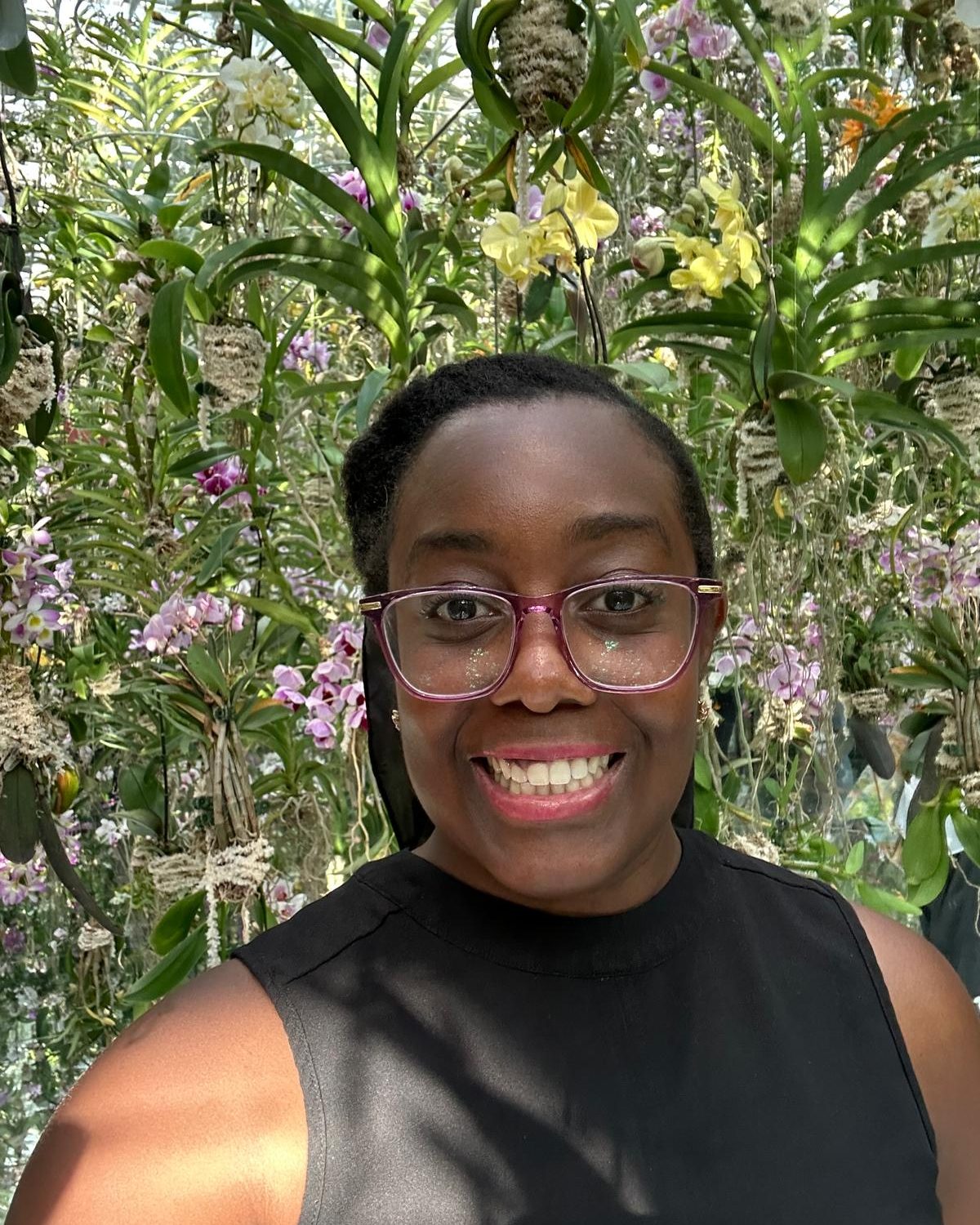
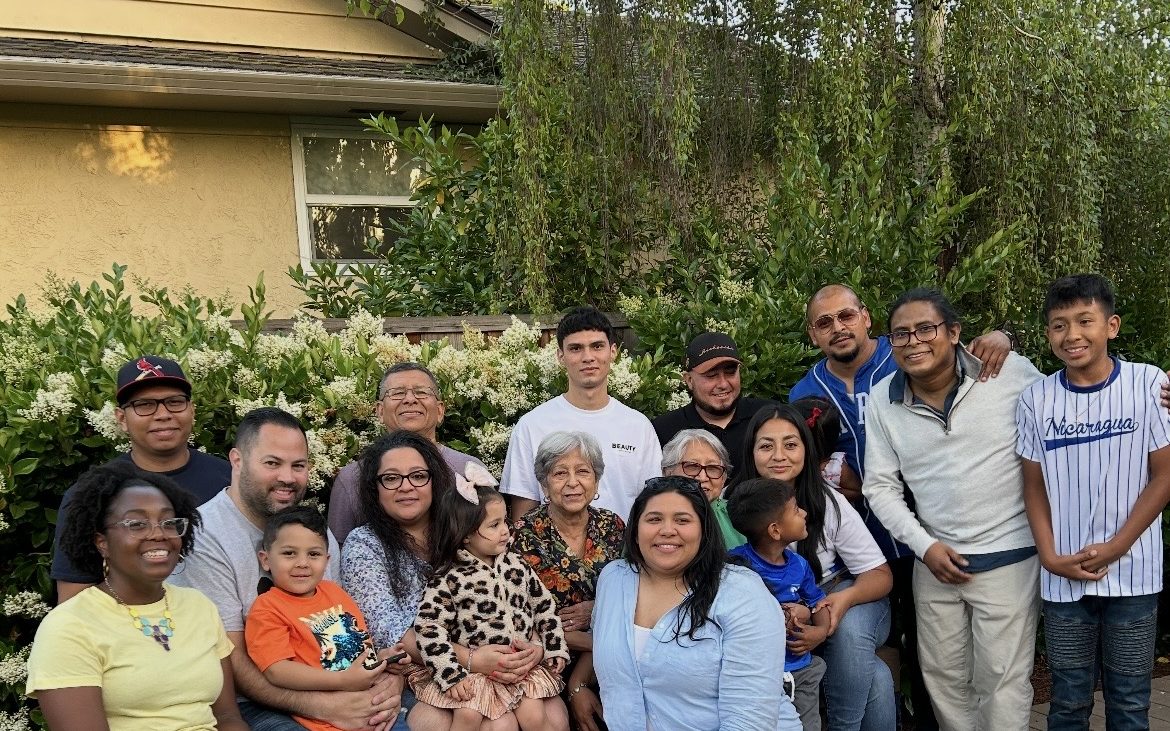
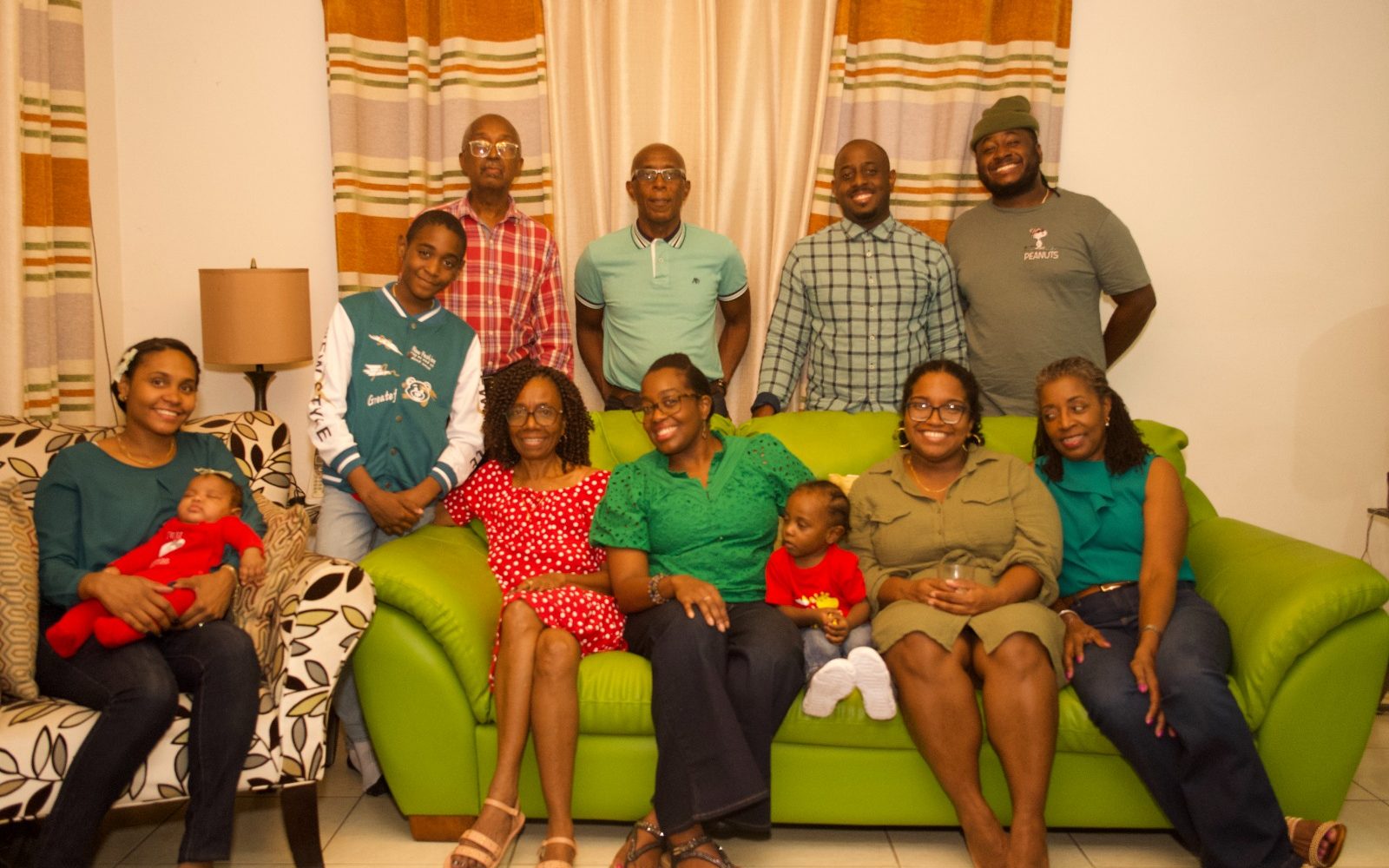
I have spent fifteen years watching adults be handed expectations for children that nobody taught them how to tend, and watching children carry the weight of that gap. Not because the adults did not care. Because nobody showed them what a child's environment needs, or asked them to look at their own roots.
I called it Human ROOTS because I start with the person holding the whole thing together. Not the behavior, not the child. You. A child cannot be met by someone who has not been met. And the Human in the name is for all of us. Parents get uprooted. Teachers get uprooted. We are all still learning something nobody taught us, and we all deserve the same room to repair that we give a five-year-old. Uprooted humans are still whole.
For many immigrant and BIPOC families there is a second tension underneath the first one: helping your child navigate and succeed inside American systems while holding on to the stories, traditions, wisdom, identity, and strengths that have sustained your family all along. That was my experience when I immigrated on my own, and it is still the tension I face every day as a leader: holding true to who I am, my values, my roots, when the environment asks me to shift. It is why this work treats your culture as a strength rather than something to work around.
I am a values-driven leader. These are the six that ground me as a person and as a leader, and every decision in Human ROOTS answers to them.
Silly, flexible, laughter, love of learning. Joy is not the reward at the end. It is where I start.
Always learning and asking questions. Of the research, of families, and of myself first.
I bring my true self to the work and ask others to do the same. Your family's culture is not something to leave at the door.
Listen and take care of those around me. Children grow in a web of adults, and so do parents.
Grounded in data and community voices. Equity lives in the schedule and the practice, not the mission statement.
Future-oriented, with clear next steps. Children grow. Adults grow. Families grow on purpose.
Every family has one. The songs, the meals, the words in your first language, the way your house sounds on a Sunday. Most families have never named theirs out loud.
The Joy Map is where you start. One page. Twenty minutes. Start it, do not finish it.
You will also get occasional notes on growing family culture, and first notice when a program opens. Unsubscribe anytime.
Roots before results.